Our Family and Friends have been coming to your Resturants for years, love the food especially the homemade pasta and dessert.
Overview
Tucked away in the rolling hills of Campania, at Contrada Rosole, 8, 83043 Bagnoli Irpino AV, Italy, Ll Quadrifoglio feels less like a restaurant and more like a warm invitation into authentic Irpinian life. The first time I drove up the narrow country road leading to the property, the scent of wood smoke lingered in the air, and I knew this wasn’t going to be just another meal-it was going to be an experience rooted in land, tradition, and family.
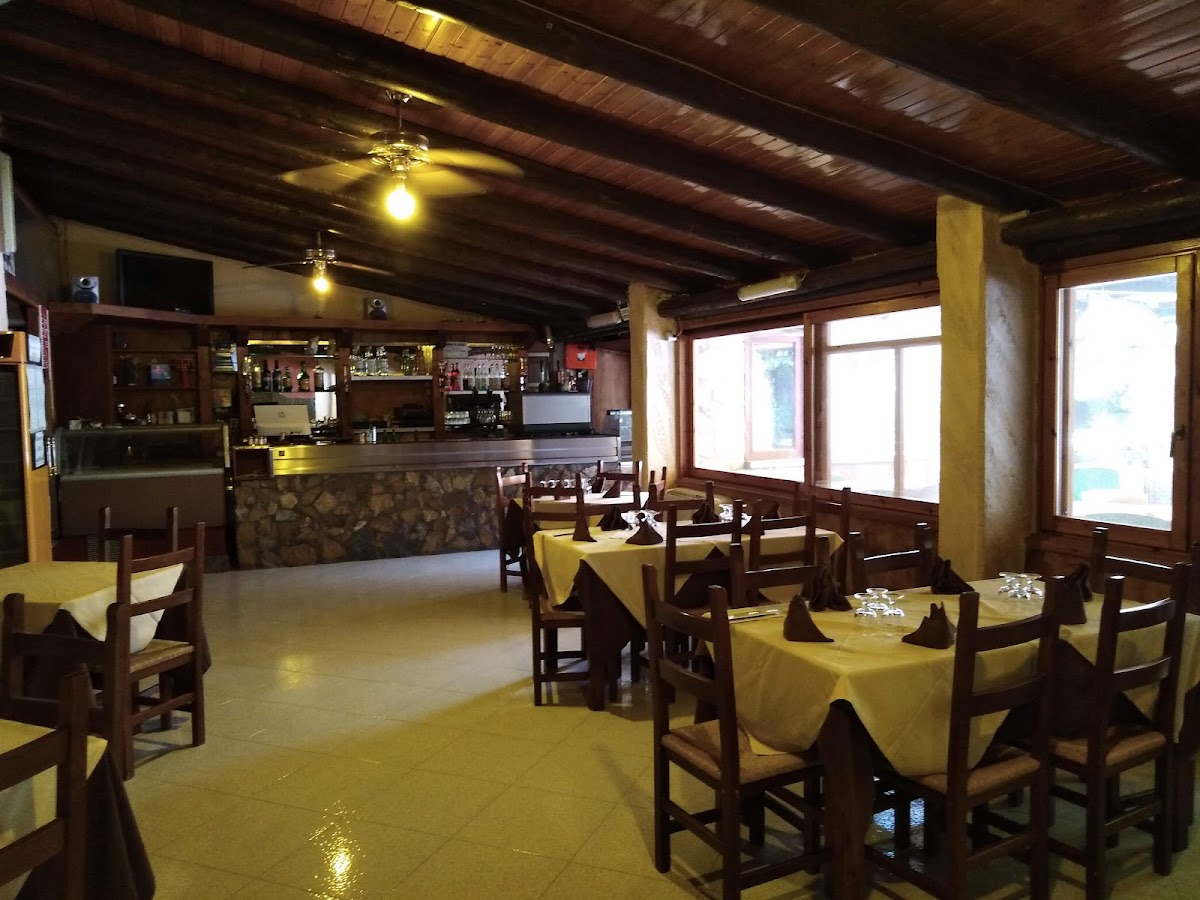
The dining room strikes a balance between rustic and refined. Exposed stone walls, sturdy wooden tables, and a crackling fireplace create that unmistakable countryside charm. Yet the service is polished and attentive. During my visit, the staff walked us through the menu with genuine enthusiasm, explaining which ingredients came from nearby farms and which dishes reflected long-standing local recipes. That level of detail matters. According to the Italian National Institute of Statistics (ISTAT), agritourism and farm-to-table dining have steadily grown in popularity over the last decade, reflecting travelers’ increasing interest in regional authenticity. You can feel that shift right here.
The menu leans heavily into seasonal produce and traditional Campanian cuisine. Bagnoli Irpino is famously associated with truffles and porcini mushrooms, and they make proud appearances in several dishes. I ordered homemade tagliatelle with black truffle, shaved generously at the table. The aroma alone was unforgettable. The pasta had that perfect bite-clearly handmade-and the truffle flavor was earthy but balanced, never overpowering. It’s a small detail, but it reflects real culinary knowledge: truffle should enhance, not dominate. As culinary experts like Massimo Bottura often emphasize, respecting the integrity of ingredients is central to Italian gastronomy, and that philosophy shines through here.
The second time I visited, I brought a friend who works in hospitality management. We treated it almost like a case study, observing how the kitchen handled a full dining room on a Sunday afternoon. Despite the crowd, dishes arrived consistently hot, well-plated, and without long delays. That operational efficiency speaks volumes. Running a rural restaurant is no small task, especially when relying on fresh, local ingredients that require precise timing and preparation. Watching the staff coordinate so smoothly made it clear that this place isn’t just charming-it’s professionally managed.
Another highlight is the grilled meats. The mixed grill platter featured locally sourced pork sausages and tender cuts of beef, cooked over open flame. The smoky flavor, combined with a simple drizzle of extra virgin olive oil, proved that sometimes less really is more. The olive oil itself, as the server explained, comes from producers in the surrounding Avellino province. The Mediterranean diet, recognized by UNESCO as an Intangible Cultural Heritage of Humanity, places olive oil, fresh vegetables, and moderate portions of meat at its core. Eating here feels like a direct reflection of that heritage.
Wine lovers won’t be disappointed either. The wine list includes regional selections like Aglianico and Fiano di Avellino. Pairing a robust Aglianico with grilled meat deepens the flavors and highlights the terroir of the region. If you’re unsure what to choose, just ask. The recommendations are thoughtful and tailored to your dish rather than generic upselling.
Online reviews consistently praise the generous portions and fair pricing, and from my experience, those comments are accurate. Portions are hearty without being excessive, and the value for money is evident in the ingredient quality. That said, it’s worth noting that during peak tourist seasons or local festivals, reservations are strongly recommended. The rural location can also make transportation slightly challenging if you’re not driving, so planning ahead is wise.
What truly sets this restaurant apart, though, is its sense of place. You’re not just scanning a menu; you’re tasting the story of Bagnoli Irpino. The mushrooms, the truffles, the wines, the olive oil-all of it reflects a specific landscape and community. In an era when many dining spots chase trends, this one remains confidently rooted in tradition while maintaining modern standards of service and consistency.
Good to know
Service options
✓ Outdoor seating ✓ Takeaway ✓ Dine-inHighlights
✓ Fireplace ✓ Great coffee ✓ Great dessertPopular for
✓ Lunch ✓ Dinner ✓ Solo diningAccessibility
✓ Wheelchair-accessible car park ✓ Wheelchair-accessible entrance ✓ Wheelchair-accessible seating ✓ Wheelchair-accessible toiletOfferings
✓ Alcohol ✓ Beer ✓ Coffee ✓ Healthy options ✓ Late-night food ✓ Private dining room ✓ Quick bite ✓ Small plates ✓ Spirits ✓ WineDining options
✓ Breakfast ✓ Lunch ✓ Dinner ✓ Dessert ✓ Seating ✓ Table serviceAmenities
✓ Bar on site ✓ ToiletAtmosphere
✓ Casual ✓ Cosy ✓ QuietCrowd
✓ Groups ✓ TouristsPlanning
✓ Dinner reservations recommended ✓ Accepts reservationsPayments
✓ Credit cards ✓ Debit cards ✓ NFC mobile payments ✓ Credit cardsChildren
✓ Good for kids ✓ Good for kids birthday ✓ High chairs ✓ Kids' menuParking
✓ Free of charge street parking ✓ Free parking lot ✓ ParkingPets
✓ Dogs allowedPhotos
1 / 4
Location
Reviews
- No ratings yet 377 reviews
The pizza did the trick. The fresh sausage topping was the best I've come across so far.
Great food, great service, everything home made, good prices
Дуже смачно,домашня їжа,вино біле дуже смачне,люди приємні знають як угодити клієнтам !!!!Тут поїсти і відпочити стоїть !!!!
Ci siamo trovati per caso a mangiare in questo ristorante ma ci siamo stupiti dell’ottima cucina casareccia . Ottimo prodotti tipici cucinati in modo squisito, abbiamo pagato il giusto per ciò che abbiamo mangiato .
Ogni qualvolta a Bagnoli, una o piú visite in questo ristorante da me preferito sono obbligatorie. Io vagnulesu/canadese amo la loro cucina casereccia, genuina e di ottima qualità. Un ristorante gestito dalla famiglia, tutti i membri giocano un ruolo specifico. Cucina casereccia (la madre è la cuoca). Il menú è ricco di piatti locali, preparati secondo la tradizione. Tutti i pasti sono di ottima qualità e saporitissimi! Eccellenti i ravioli al sugo o al tartufo e porcini, ripieni di ricotta locale. E che dire dell'agnello alla brace: tenero, cotto come si deve! Ampia scelta di dolci e digestivi.
Esperienza fantastica , ambiente sereno , relax assicurato cibo ottimo ,personale educato ,prezzi onesti